
Moosehead Lake: The Inland Sea
Explore Maine's largest lake. From the Steamship Katahdin to the cliffs of Mount Kineo, this is the heart of the Maine Highlands.
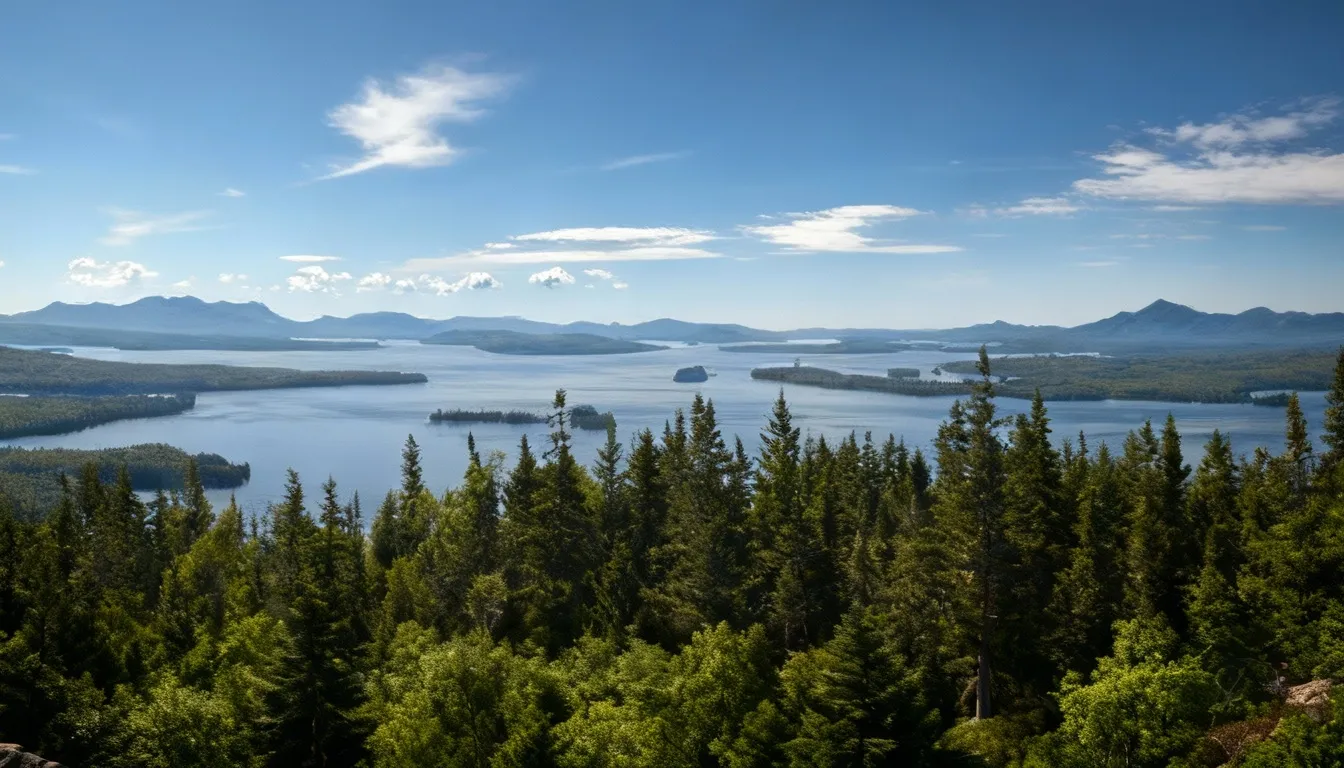
Moosehead Lake is massive—Maine’s largest lake at 40 miles long and up to 10 miles wide, covering 117 square miles of water. Surrounded by dense forests and rimmed by mountains, it feels more like an inland freshwater sea than a typical New England lake. This is the heart of the Maine Highlands, a region where the wilderness still dominates and moose sightings are nearly guaranteed.
The lake has drawn visitors since the mid-1800s, when wealthy “sports” traveled by train and steamship to luxurious sporting camps for fishing and hunting. That era has faded, but the wilderness character remains. Greenville, the small town at the lake’s southern tip, serves as the gateway to vast stretches of undeveloped Maine—including the western approach to Baxter State Park and Katahdin.
Getting There
From Portland: About 150 miles, roughly 3 hours via I-95 to Newport, then Route 7/Routes 23/15 through Guilford to Greenville.
From Bangor: About 70 miles, roughly 90 minutes via Routes 15/6.
From Bar Harbor: About 130 miles, roughly 2.5 hours.
The drive itself is part of the experience—the last 30 miles wind through increasingly wild country, with moose crossing signs that aren’t exaggerating.
Greenville: Gateway to the Highlands
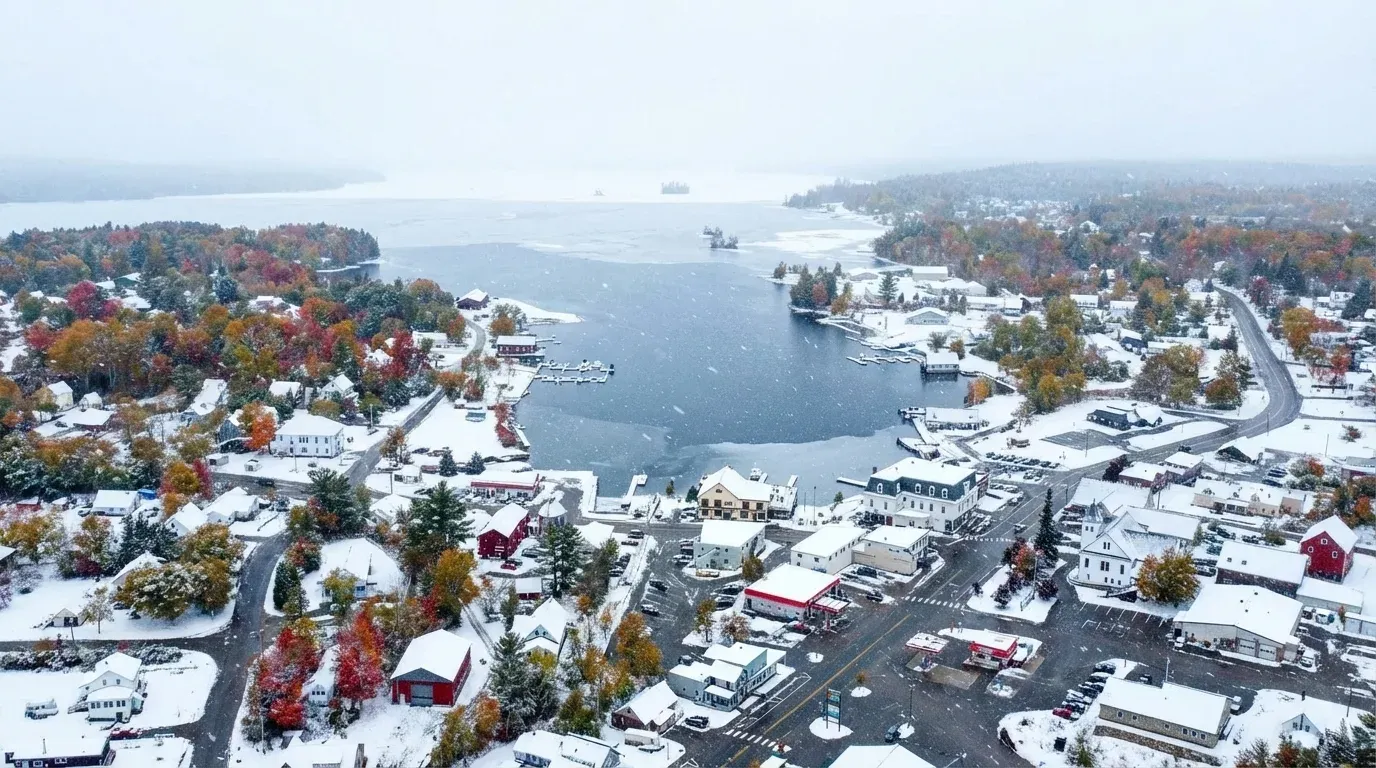
Greenville (population ~1,600) is the only real town on Moosehead Lake. Everything else is camps, cabins, and wilderness. The town has the essential services—grocery stores, restaurants, gas stations, lodging—but keeps a distinctly unpretentious Maine character.
What you’ll find:
- Outfitters and guide services
- Floatplane bases (see below)
- The Moosehead Marine Museum
- Restaurants and lodging ranging from budget to boutique
- The junction of major snowmobile trail networks
What you won’t find:
- Chain hotels or restaurants
- Big-box stores
- Crowds (except during peak season)
The Steamship Katahdin (“The Kate”)
The best way to experience Moosehead’s scale is from the water, and the best way to do that is aboard the historic Steamship Katahdin.
The History
Built in 1914, the Kate spent her working life towing massive booms of logs across the lake to the mills. At her peak, she’d have 20,000 cords of pulpwood behind her. When the log drives ended in the 1970s, she was rescued from decay and restored as a floating museum.
The Cruise
The Moosehead Lake cruise runs about 3 hours, traveling up the lake toward Mount Kineo with narration about the lake’s history, ecology, and logging heritage.
What you’ll see:
- Mount Kineo rising from the water
- Views of Mount Katahdin on clear days (40 miles distant)
- Loons, eagles, ospreys
- Possibly moose on shore
- Historic sites and former mill locations
Schedule: Generally runs late June through early October. Limited schedule—typically weekends and select weekdays.
Cost: ~$40-50 for adults.
Book ahead: The Kate is popular, and cruises sell out during peak season.
Moosehead Marine Museum
The museum at the Greenville waterfront tells the story of the lake’s steamboat era and logging history. Worth a visit before or after your cruise.
Mount Kineo
Rising 700 feet straight out of the water on a peninsula that juts into the lake, Mount Kineo is Moosehead’s most dramatic landmark. The cliff face is visible from miles away—a sheer wall of volcanic rock.
The Geology and History
Kineo is made of rhyolite, a volcanic rock that fractures into sharp edges perfect for tools. For thousands of years, Native Americans traveled here to quarry the stone for arrowheads, knives, and scrapers. Kineo flint has been found at archaeological sites throughout the Northeast—this was a major trade destination.
In the late 1800s, the Mount Kineo House resort stood here, one of America’s largest hotels. It burned in 1938, leaving only traces.
Getting There
Kineo is on a peninsula accessible only by water. You have several options:
Shuttle boat: A small ferry runs from Rockwood (north shore) across the narrow channel to Kineo. ~$15 round trip. Runs regularly during summer season.
Kayak or canoe: Paddle across from Rockwood. The crossing is short (~0.5 mile) but open to wind and motorboat traffic.
Your own boat: Dock at the Kineo peninsula and hike from there.
The Hikes
Indian Trail: The dramatic route. Climbs along the cliff edge with exposure and spectacular views. Not technically difficult but definitely scenic—and intimidating if you don’t like heights. About 2 miles to the summit.
Bridle Trail: The easier alternative. Wider, more gradual, less exposed. Takes you to the same fire tower at the summit.
Carriage Trail: Circles the peninsula at water level. Gentle walk with lake views.
The Fire Tower: At the summit, a restored fire tower offers 360-degree views of Moosehead Lake and the surrounding mountains. On clear days, you can see Mount Katahdin 40+ miles away.
Time: Allow 2-3 hours for a round trip including the summit.
Moose Viewing
The Moosehead Lake region has one of the highest moose densities in the lower 48 states. Greenville markets itself as the “Moose Capital of Maine,” and the claim is legitimate. Your odds of seeing moose here are excellent.
Best Spots
Lily Bay Road: Drive slowly at dawn or dusk. Moose often feed in roadside wetlands and clearings.
Route 15 to Rockwood: Another productive moose road, especially the stretch along the lake.
Golden Road: The logging road running west from Millinocket through the North Woods passes through prime moose habitat.
Lazy Tom Bog: Reliable moose spot accessible from Lily Bay Road.
Timing
Best times: Dawn and dusk, May through September. Early morning (5-7 AM) is most reliable.
Best season: Late May through June (before bugs drive them deeper into forest) and September (less foliage blocking views).
Guided Moose Safaris
Several Greenville outfitters offer guided moose safaris:
By land: Guided van or truck trips on logging roads and back routes. Guides know the spots.
By water: Canoe or pontoon boat trips along shorelines where moose feed. Water approaches often get you closer than road sightings.
Cost: Typically $50-100+ per person depending on trip length and mode.
Worth it? If you only have one evening and want the best odds, guides deliver. If you have multiple days and patience, DIY often works.
Safety and Etiquette
- Never approach moose on foot. Stay in your vehicle or maintain 50+ feet distance.
- Cows with calves are protective and potentially aggressive.
- Bulls during fall rut (September-October) can be unpredictable.
- Don’t feed moose—illegal and dangerous.
- Don’t chase moose for photos—it’s harassment.
On the Water
Boating
Boat launches: Public launches in Greenville, Lily Bay State Park, Rockwood, and other access points around the lake.
Rentals: Several marinas offer boat rentals—from small fishing boats to pontoons.
Navigation: Moosehead is big enough to develop serious waves in wind. Conditions can change quickly. Check weather before heading out, especially in small boats.
Fuel: Available in Greenville and at a few marinas around the lake.
Kayaking and Canoeing
Moosehead offers excellent paddling, but respect its size. The main body of the lake is exposed to wind and waves. Stick to protected bays and shorelines unless you’re an experienced big-water paddler.
Good paddling areas:
- Lily Bay (protected, scenic)
- The Kineo peninsula (short crossing from Rockwood)
- The west shore south of Rockwood
- Side ponds and inlets
Fishing
Moosehead is a major fishing destination, particularly for:
Landlocked salmon: The lake is famous for salmon. Best fishing is early in the season (ice-out through May) and again in fall.
Lake trout (togue): Abundant in Moosehead’s cold depths. Summer fishing requires deep trolling.
Brook trout: In tributaries and smaller connected ponds.
Smallmouth bass: Increasingly popular; good populations especially in shallower bays.
Licenses: Required. Maine fishing license available online or at local shops.
Guides: Many registered Maine guides offer fishing trips on Moosehead. Recommended for first-timers—they know the spots, techniques, and regulations.
Floatplanes
Greenville is Maine’s floatplane capital, with several operators based at the lake. The tradition dates to the logging era when planes were the only way to access remote camps.
What They Offer
Scenic flights: The classic Moosehead experience. Fly over the lake, Mount Kineo, the surrounding wilderness, and (on longer flights) Baxter State Park and Katahdin. Prices start around $100-150 per person for shorter flights.
Fly-in access: Floatplanes are working transportation here, flying sportsmen to remote ponds and camps inaccessible by road.
Special trips: Some operators offer fly-in fishing trips, day trips to remote locations, or custom charters.
The Experience
Even if you’re not headed to a remote camp, a scenic flight over Moosehead is worth considering. The scale of the lake and surrounding wilderness is hard to grasp from the ground. From 2,000 feet, you see the true vastness of the Maine North Woods.
Winter Activities
Moosehead transforms in winter. The lake freezes solid (usually by late December), and the region becomes one of Maine’s premier winter destinations.
Snowmobiling
The Moosehead region is the hub of Maine’s snowmobile trail network, with hundreds of miles of groomed trails connecting to the statewide Interconnected Trail System (ITS).
Trail access: Directly from Greenville and most lodging.
Rentals: Available in Greenville.
Conditions: Generally excellent December through March.
Popular routes: Trail networks connect to Jackman, Millinocket, Rangeley, and beyond. Multi-day touring is possible.
Ice Fishing
Moosehead is a legendary ice fishing destination. When the ice gets thick enough (typically January), hundreds of ice shacks appear on the frozen lake.
Species: Landlocked salmon, lake trout, cusk, white perch.
Gear: Bring your own or rent from local outfitters. Guides available.
Access: Drive your truck onto the lake (when ice is safe—check locally) or walk out from shore.
Cross-Country Skiing and Snowshoeing
Several lodges maintain groomed cross-country ski trails. The surrounding forest offers unlimited snowshoeing opportunities.
Where to Stay
Sporting Camps
The traditional Moosehead experience. Rustic cabins on the lake or at remote ponds, often including meals. Some accessible only by boat or floatplane.
Lodges and Inns
Several comfortable lodges in and around Greenville offer full-service accommodations with on-site dining.
Cabins and Rentals
Vacation rentals on the lake range from basic cabins to luxury homes. VRBO and local rental agencies have extensive listings.
Camping
Lily Bay State Park: The main public camping option. Waterfront sites on Moosehead’s eastern shore. Reserve ahead for summer weekends.
Private campgrounds: Several options around Greenville.
When to Visit
Summer (June-August): Prime season. All activities operating, warmest weather, longest days. Also busiest and buggiest (black flies in June, mosquitoes later).
Fall (September-October): Spectacular foliage, moose rut, excellent fishing. Cooler temperatures, fewer visitors. Some businesses close after Columbus Day.
Winter (December-March): Snowmobiling and ice fishing season. Cold but beautiful. Limited services—check what’s open.
Spring (April-May): Mud season. Ice-out fishing is excellent, but many roads are rough and some services are closed.
Practical Tips
Cell service: Spotty to nonexistent in much of the region. Don’t rely on your phone for navigation.
Gas: Fill up in Greenville. Options north of town are limited.
Groceries: Basic supplies in Greenville. For serious provisioning, shop before you arrive.
Bugs: Black flies (late May-June) and mosquitoes (June-August) are fierce. Bring bug spray, head nets, and long sleeves.
Weather: Moosehead is 1,000+ feet elevation and far from the moderating ocean. It’s cooler than the coast, and weather changes fast.
Moosehead Lake is where you go to experience the Maine that existed before outlet malls and cruise ships—a place of vast forests, cold clean water, and wildlife that still outnumbers humans. Whether you’re cruising on the Kate, hiking Mount Kineo, or waiting at dawn for a moose to emerge from the mist, Moosehead delivers the wilderness Maine that most visitors only imagine.
Related Guides
Plan your Moosehead adventure with these additional resources:
- Best Moose Spots Guide - Prime moose viewing locations around the lake
- Golden Road Guide - Adventure driving west from Moosehead
- Hiking Guide - Mount Kineo and other trails
- Fishing Guide - Landlocked salmon and lake trout fishing
- Ice Fishing Guide - Winter fishing on the frozen lake
- Camping Guide - Lily Bay and other campgrounds
- Scenic Drives Guide - Routes through moose country
- Best Lakes Guide - Other premier Maine lakes